Cat Line Art Drawing Review
As an embroidery designer and product reviewer, I’ve evaluated countless machine embroidery designs. Cat Line Art Drawing is one that stands out for its simplicity and versatility. It’s a clean, minimalistic design that can work well in a variety of projects—especially when you want to keep things elegant and uncluttered. But like any design, it has its strengths and limitations depending on how you plan to use it.
First Impressions: A Simple Yet Effective Design
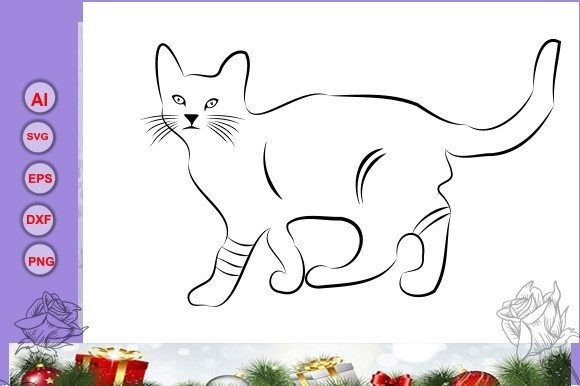
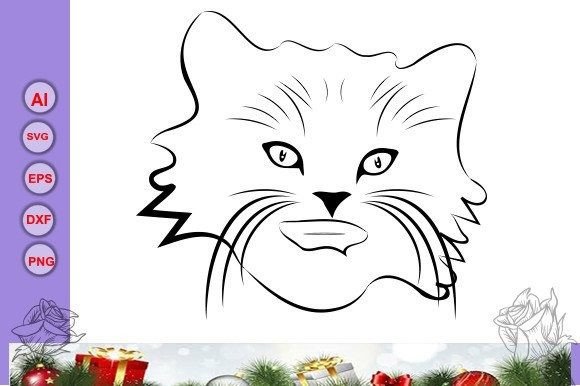
The first thing that catches your eye with Cat Line Art Drawing is its clarity. The line art is precise, with no unnecessary details that could complicate the stitching process. The cat is stylized, not overly detailed, which makes it ideal for projects where subtlety matters. It has a friendly, approachable vibe that feels perfect for baby items, personalized gifts, or even small business branding.
The layout is straightforward, making it easy to scale up or down without losing its integrity. It’s not a complex design, but that’s part of its charm. It works best when paired with other elements rather than standing alone as the main focus. This makes it a great choice for embroidery projects that need a touch of personality without overwhelming the fabric.
Real-World Use Cases: Where It Shines
Imagine you’re preparing a custom embroidered tote bag for a client who wants something unique but not too bold. Cat Line Art Drawing would be a solid choice. Its simplicity allows it to blend well with different color schemes and fabric types. Whether it’s a cotton tote, a canvas bag, or even a linen shopping bag, the design adapts well.
It also works well for sweatshirts, t-shirts, and caps. The line art doesn’t require dense stitching, so it won’t add too much bulk to the garment. For a small shop product or an Etsy listing, this design can be a safe bet for customers who prefer understated yet stylish embroidery.
For baby items, such as onesies or blankets, Cat Line Art Drawing offers a gentle, non-intrusive look. It’s not too intense for a child’s space, and the line work is easy to follow for beginners. It’s also a good fit for holiday gifts, especially if you’re looking for something that’s not too festive but still seasonal.
Limitations: Where It Might Not Work
While Cat Line Art Drawing is great for many applications, it’s not ideal for every situation. If you’re working with small hoop sizes, this design might be too large to fit comfortably. You may end up needing to split it into sections, which can complicate the stitching process.
On textured fabrics, such as denim or thick knits, the line art might not show up as clearly. The same goes for thin or stretchy materials, where the design could become distorted during the embroidery process. In these cases, a more robust design with heavier stitches might be better suited.
Dark fabrics can also be a challenge. Since the design is line-based, it may not stand out enough against black or deep-colored backgrounds. You’d need to adjust thread colors accordingly, or consider using a contrasting color for the stitching.
Design Considerations for Embroidery Projects
When working with Cat Line Art Drawing, it’s important to test it on scrap fabric first. This helps you understand how the lines will appear once stitched. You should also check the stitch density—too high, and it might cause puckering; too low, and the design might look sparse.
If you’re planning to use it for commercial projects, make sure to confirm the licensing terms before selling finished products or digital files. While the product description mentions instant download, it doesn’t specify whether the design is for personal or commercial use. Always verify this to avoid legal issues.
For handmade products, the design’s simplicity can be a strength. It’s easy to apply to patches, aprons, or pillow covers, and it maintains a professional look without requiring advanced embroidery skills. It’s also a good option for printable mockups or digital product previews, where clarity is key.
Practical Tips for Using Cat Line Art Drawing
- Test on scrap fabric: Before committing to a project, always try the design on a similar material to see how it looks and behaves.
- Check thread contrast: Choose a thread color that complements the fabric and highlights the design without being too harsh.
- Review stitch density: Ensure the design isn’t too dense, especially if you're working with delicate or stretchy fabrics.
- Confirm hoop size: Make sure the design fits within your hoop dimensions to avoid splitting the file or complicating the stitching.
- Inspect small details: Check for sharp corners or intricate lines that may need special attention during the embroidery process.
- Use proper stabilizer: Stabilizer is essential for preventing distortion, especially on lightweight or stretchy materials.
Final Thoughts: A Versatile Design for Many Uses
Cat Line Art Drawing is a solid choice for designers looking for a clean, adaptable design. It’s not the most intricate or detailed, but that’s what makes it effective for a wide range of projects. Whether you’re creating personalized gifts, custom apparel, or small business merchandise, this design can add a subtle yet meaningful touch.
As with any embroidery file, it’s important to approach it with care and consideration. Test it, adapt it, and ensure it aligns with your project goals. With the right approach, Cat Line Art Drawing can become a valuable addition to your design assets.