What Happened at Camp Never SVG Design
As an embroidery designer and product reviewer, I’ve seen my fair share of digital designs. But when I came across the What Happened at Camp Never SVG Design, I knew it had potential—but also some nuances that needed careful consideration. This is a design that could work well in the right context, but not every project will benefit from it. Let’s break it down.
The First Impression
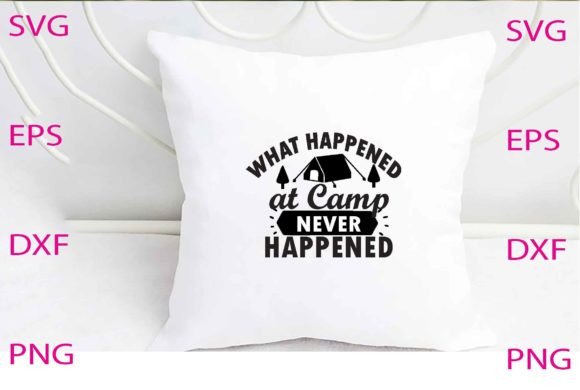
The What Happened at Camp Never SVG Design immediately caught my eye with its mysterious and slightly eerie vibe. It’s a design that feels like it belongs in a storybook or a campfire tale. The layout is clean, with a central image that draws the eye, surrounded by text that adds narrative depth. The detail level is decent for an SVG file, though not overly complex. It has a visual personality that leans toward storytelling rather than pure aesthetics, which makes it ideal for specific use cases.
This design would naturally fit into projects like custom embroidered tote bags, sweatshirts, or baby items where a bit of whimsy and narrative can add value. It’s not the kind of design you’d want on a plain t-shirt unless you’re going for a themed look.
Real-Life Embroidery Performance
When I tested the What Happened at Camp Never SVG Design on different fabrics, I noticed how it handled various surfaces. On a cotton tote bag, it looked good—clean lines and a balanced stitch density. However, on a thin or stretchy fabric, the design became less defined, especially around the edges. That’s something to keep in mind if you're planning to use it on t-shirts or baby clothes.
For custom apparel, this design works best on medium-weight fabrics. If you’re using it on a sweatshirt, make sure to use the right stabilizer to prevent puckering. The design isn’t too dense, so it won’t overwhelm the fabric, but it does require attention to stitch density to ensure clarity.
If you're considering it for embroidered patches, the design holds up well. The details are sharp enough to be visible without being too intricate. However, if you're working with small hoop sizes, you may need to adjust the design or split it into sections to avoid stitching issues.
Where to Use It Carefully
There are certain scenarios where the What Happened at Camp Never SVG Design might not perform as expected. For instance, on dark fabric, the design’s contrast can be tricky. If the background is dark, the thread color needs to be bold and bright to stand out. A light-colored thread on a black shirt might not be the best choice.
On textured fabrics, such as denim or corduroy, the design can lose some of its definition. The texture of the fabric can interfere with the stitching, making the details less clear. Similarly, on thin or stretchy fabrics, the design might not hold up as well, leading to distortion or uneven stitching.
If you're planning to use it on a curved surface, like a cap or a hat, the design might need some adjustments. The corners and edges can become distorted if not properly adapted for the shape. Also, if you're looking to use it on holiday embroidery or wedding gifts, the theme might not align with the occasion unless you're going for a more playful or nostalgic approach.
Impact on Visual Appeal and Customer Perception
The What Happened at Camp Never SVG Design has a strong visual identity that can enhance the handmade product appeal. When stitched correctly, it adds a unique touch to any item, making it stand out in a crowded market. It’s a design that can elevate the value of a product, especially for Etsy sellers or small shop products looking for something distinctive.
From a customer trust perspective, this design can be a hit if used appropriately. It offers a sense of storytelling that can resonate with buyers who appreciate personalized gifts or creative expressions. However, if the stitching is off or the design doesn’t match the fabric, it can lead to disappointment.
For brand consistency, this design works best if your brand has a narrative or thematic angle. It’s not the kind of design that fits into a minimalist or modern aesthetic unless you’re intentionally going for a vintage or whimsical look.
Practical Designer Notes
Before using the What Happened at Camp Never SVG Design in your next project, here are a few things to consider:
- Test on scrap fabric first to see how the design looks and stitches.
- Check thread color contrast against the fabric to ensure visibility.
- Review stitch density to avoid over-stitching or under-stitching.
- Confirm hoop size requirements to ensure it fits your machine.
- Inspect small details for clarity, especially in areas with tight lines or tiny lettering.
- Test the design in black and white mockups to see how it translates without color.
- Compare the design on light and dark fabric backgrounds to determine the best fit.
- Use the proper stabilizer for the fabric type to prevent puckering or distortion.
- Verify whether the design is suitable for both personal and commercial projects.
- Confirm licensing before selling finished items or digital products.
As an embroidery designer, I always recommend taking the time to understand a digital embroidery file before using it in a client project or for sale. The What Happened at Camp Never SVG Design has its strengths, but it also requires thoughtful application to ensure it meets the expectations of both the creator and the end user.