Cat Earring Embroidery Design
As an embroidery designer and product reviewer, I often find myself evaluating digital designs for real-world use. The Cat Earring design caught my attention for its simplicity and charm, but I wanted to see how it would perform in actual projects. Let’s dive into what this design offers and where it might shine—or fall short.
The First Impression: A Playful Yet Polished Design
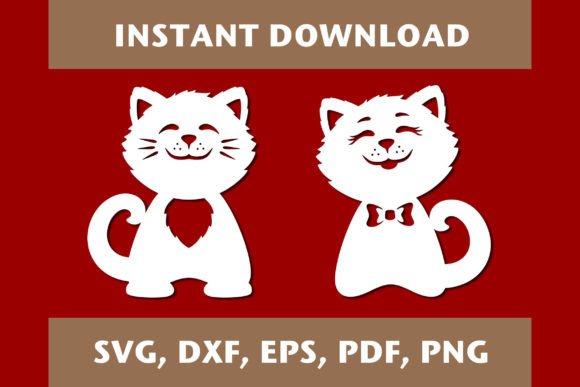
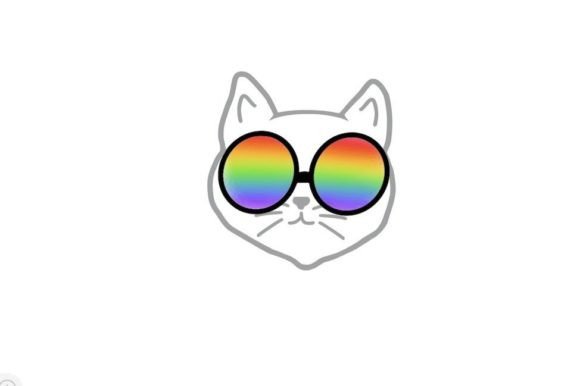
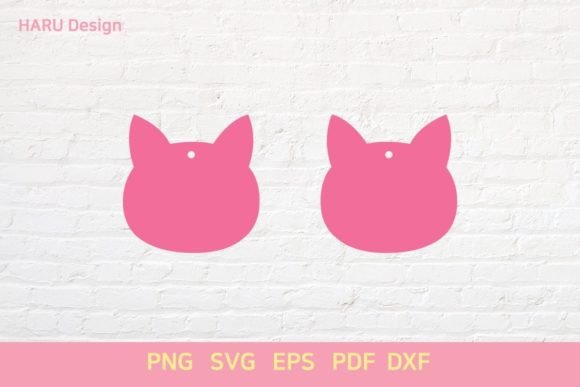
Cat Earring immediately gives off a whimsical vibe. The design features a stylized cat with expressive eyes and a subtle earring, making it perfect for casual or playful embroidery projects. The layout is clean, with a balanced composition that doesn’t feel cluttered. It has a modern aesthetic that could work well on a variety of fabrics and products.
The level of detail is moderate, with enough definition to make the cat recognizable without being overly complex. This makes it ideal for beginners or those looking for a quick project, but also versatile enough for more experienced embroiderers who want to add a touch of personality to their work.
Real-Life Use Cases: Where Cat Earring Fits Best
Imagine you’re creating a custom embroidered tote bag for a client. Cat Earring could be a great fit—small enough to not overwhelm the design, yet detailed enough to catch the eye. It would look nice on a sweatshirt, especially for a boutique line focused on casual wear or pet-themed items.
This design also works well as an embroidered patch. Whether you’re making a baby onesie, a cap, or an apron, Cat Earring adds a cute and memorable element. It could even be used as a decorative accent on a pillow cover or tea towel, bringing a touch of fun to home decor.
For Etsy sellers or small shop owners, this design could be a valuable addition to your digital product library. It’s simple enough to be a quick sell, yet has enough character to stand out in a crowded marketplace.
Where to Be Careful: Potential Limitations
While Cat Earring is a charming design, there are some situations where it might not perform as well. For example, if you’re working with small hoop sizes, the design may require multiple hooping, which can be time-consuming and increase the risk of misalignment.
On textured fabrics or thin materials, the details might not come through as clearly. Similarly, on stretchy or dark fabrics, the thread color contrast could be an issue. You’ll want to test it on different materials before committing to a larger project.
If you're planning to use it on curved surfaces like caps or hats, be prepared to adjust the design slightly for better fit. The corners and edges of the cat might not stitch as cleanly on rounded areas, so it’s worth considering alternatives for such applications.
Impact on Visual Appeal and Customer Perception
When it comes to visual appeal, Cat Earring has a lot going for it. Its clean lines and simple shape make it easy to incorporate into a range of designs. It adds a personal touch that customers often appreciate, especially when it comes to handmade products or personalized gifts.
Stitching clarity is another important factor. The design’s moderate complexity means it should stitch well on most machines, provided the stitch density is appropriate. Too dense, and it might cause puckering; too light, and the details might not show up clearly.
From a business perspective, using Cat Earring can enhance the value of your finished product. It adds a unique element that can help differentiate your items from competitors. Customers are more likely to trust and engage with a product that looks professional and well-crafted.
Practical Designer Notes: Things to Check Before Using
Before finalizing any project, always test the design on scrap fabric. This helps you see how the stitches will look and whether any adjustments are needed. Pay close attention to thread color contrast—especially if you’re using dark or patterned fabrics.
Review the stitch density to ensure it’s suitable for your chosen fabric. If the design is too dense, it might cause distortion or affect the feel of the garment. Confirm the hoop size required for the design, as this can impact how easily it can be stitched.
Inspect small details closely. If the design includes tiny elements like the earring, make sure they’re visible and well-defined. Test the design in black and white mockups to see how it looks without color. Compare it on both light and dark backgrounds to ensure visibility.
Use the proper stabilizer for your fabric type. This helps prevent puckering and ensures a smooth finish. Also, check whether the design is suitable for both personal and commercial use, and confirm the licensing terms before selling any finished items or digital products.
Final Thoughts: A Versatile Design with Practical Value
Cat Earring is a design that offers both charm and practicality. It’s well-suited for a variety of embroidery projects, from custom apparel to small shop merchandise. While it has some limitations in certain scenarios, it’s generally a reliable choice for designers looking to add a touch of personality to their work.
Whether you’re an Etsy seller, a craft business owner, or a hobbyist, this design could be a useful addition to your collection. Just remember to test it thoroughly and consider the specific needs of your project before moving forward.