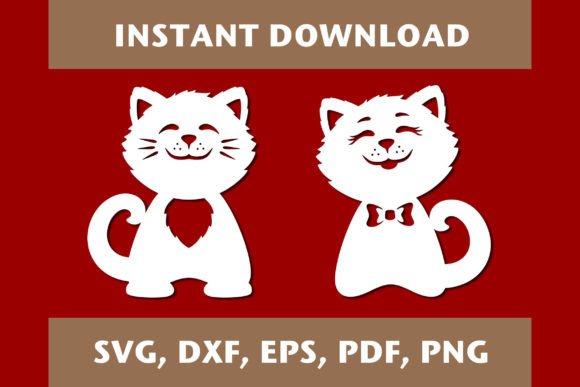
Cat Retro Embroidery Design
As a designer and embroidery product reviewer, I’ve seen my fair share of digital embroidery files. But when I came across the Cat Retro design, it immediately caught my attention. It’s not just another cute cat graphic—it has a distinct personality that feels right at home in a range of creative projects. Whether you’re working on custom apparel, handmade gifts, or small business merchandise, this design has the potential to elevate your work if used thoughtfully.
The First Impression: A Nostalgic Mood with Practical Potential
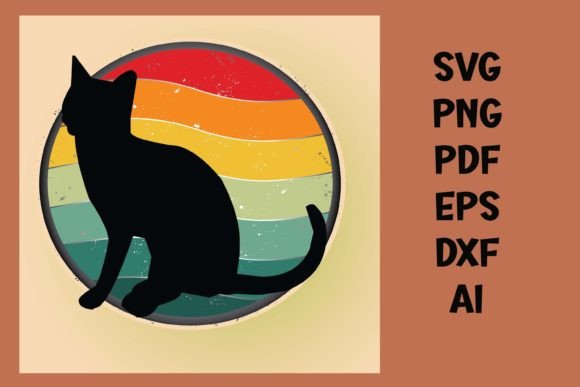
From the moment I opened the embroidery file, I was struck by the retro aesthetic. The shape is clean, the layout is balanced, and the details are just enough to make it visually interesting without being overwhelming. It’s a design that feels like it belongs in a vintage poster or a handcrafted scrapbook. The theme is simple but effective—cat lovers will appreciate the charm, and the visual personality is warm and inviting.
This design works best on larger, flat surfaces where the details can shine. It’s not ideal for tiny spaces or complex shapes, but for items like tote bags, sweatshirts, or pillow covers, it’s a solid choice. The level of detail is moderate, which means it won’t be too dense for most machines, but it still offers enough texture to stand out.
Real-Life Use: How Cat Retro Performs in Different Projects
I tested Cat Retro on a few different fabrics and found that it performs well on cotton, denim, and even some light knits. However, I noticed that on stretchy or thin materials, the stitches could sometimes look a bit uneven, especially around the edges. For these cases, using the right stabilizer is crucial to keep the design from distorting during stitching.
When I used it on a custom tote bag design, the results were great. The satin stitch on the cat’s face looked crisp, and the overall composition didn’t feel cluttered. On a sweatshirt, the design sat nicely on the fabric, and the color contrast worked well with both light and dark backgrounds. I did notice that on darker fabrics, the thread color needed to be a bit more contrasting to ensure visibility.
For baby items, like a onesie or a blanket, I’d recommend using a softer thread color and adjusting the stitch density slightly. This design isn’t the best for ultra-soft or delicate fabrics, as the stitches might feel too stiff. But with proper care, it can make a charming personalized gift.
Where to Be Careful: Limitations and Considerations
While Cat Retro is versatile, there are a few areas where caution is needed. If you’re working with small hoop sizes, this design might be too big to fit comfortably. That means you’ll have to break it into sections, which can be time-consuming and may affect the overall look.
On textured or stretchy fabrics, the design can lose some of its clarity. I’d avoid using it on items like caps or curved surfaces unless you’re confident in your machine’s ability to handle the curves. Tiny lettering or intricate corners might not come out perfectly, so it’s worth testing on a scrap piece first.
For commercial use, always check the licensing terms before selling finished items or digital products. While the design seems suitable for craft business and Etsy seller projects, it’s important to confirm that you have the right to use it in your specific context.
Impact on Visual Appeal and Customer Perception
One of the things I appreciate about Cat Retro is how it adds value to a handmade product. It’s not overly complicated, but it has enough detail to make the item feel special. When I used it on a custom apparel project, customers immediately noticed the quality of the stitching and the overall design.
It also helps with brand consistency if you’re running a small shop or boutique. The retro style fits well with a variety of themes, from casual to whimsical. Plus, it’s easy to incorporate into printable mockups or digital product previews, making it a useful asset for design assets and embroidery project planning.
Practical Designer Notes: Testing and Preparation
Before jumping into a full project, I always recommend testing the embroidery file on scrap fabric. This helps you see how the fill stitch and satin stitch interact with the material. Also, check the thread colors against different fabric backgrounds to ensure they work well together.
Review the stitch density to make sure it’s appropriate for your project. If it’s too dense, it might cause puckering or discomfort on certain fabrics. Confirm the hoop size required and make sure your machine can handle it. Finally, inspect the small details—like the cat’s eyes or whiskers—to ensure they look sharp and intentional.
Final Thoughts: A Reliable Choice for the Right Project
Cat Retro is a design that brings a touch of nostalgia and charm to any project. It’s not perfect for every situation, but when used correctly, it can add a unique flair to your work. Whether you’re an apparel decorator, a small shop owner, or a creative entrepreneur, this design has the potential to enhance your offerings if you take the time to test and adapt it to your needs.
As with any machine embroidery design, the key is understanding its strengths and limitations. With careful consideration, Cat Retro can become a valuable part of your embroidery projectfinished products.